
Embedded Systems & Product Development Consultancy · London, UK
Low-power and battery-powered design
Battery life is decided by hundreds of small choices in hardware and firmware. We budget, design and measure them together, from the regulator and the sensors to the radio and the sleep states, so the product lasts as long as you promised.
Where battery life quietly disappears
Most battery problems are not in the battery. They are in the microamps nobody measured.
- Sleep current ten times higher than planned because of one leaking pin or pull-up.
- Radios that wake, scan or advertise more often than the product needs.
- Sensors left powered, or sampled faster than the data is used.
- Regulators chosen for peak load and wasteful at the tiny loads where the device spends most of its life.
- Battery life estimated from datasheets, then missed by months in the field.
- Charging and protection added late, so the battery is stressed or the device resets on low charge.
We set a power budget at the start and measure against it at every prototype.
Power work across hardware and firmware
- Power budgets. Energy per task and per day modelled early, so battery size and life are known before the enclosure is fixed.
- Power supply design. Regulators, load switches and power domains chosen for both sleep and peak currents. →
- Firmware sleep strategy. Sleep states, tickless idle, wake-up sources and state machines that keep the processor asleep by default. →
- Radio duty cycles. Advertising, connection and reporting intervals tuned for BLE, Thread, Wi-Fi and cellular. →
- Charging and battery management. Li-ion, Li-Po and LiFePO4 charging, USB-C power delivery, wireless charging, fuel gauges and protection.
- Energy measurement. Current profiles captured with power analysers across every operating mode, logged against each firmware release.
Budget, measure, repeat
- Write the power budget. Every mode, its current and its duration over a typical day, against the battery the enclosure can hold.
- Choose low-power parts. Microcontroller, sensors, radio and regulators selected for their sleep currents, not just their headline figures.
- Design sleep in from the start. Firmware structured so the default state is asleep and every wake-up has a reason.
- Measure every prototype. Current profiles of each mode compared with the budget, and the biggest gap fixed first.
- Prove it in the field. Battery reports from pilot units checked against the model before the product launches.
Power parts and measurement tools
Low-power MCUs: Nordic nRF52 and nRF53, STM32L and STM32U, Silicon Labs EFR32, Microchip SAM L and SAMD
Batteries and charging: Li-ion, Li-Po, LiFePO4 and primary lithium cells, USB-C PD, Qi wireless charging, fuel gauges
Radios: Bluetooth LE, Thread, NB-IoT and LTE-M power-saving modes, Wi-Fi power save
Measurement: Nordic Power Profiler Kit, Otii, battery analysers, oscilloscopes with current probes
Devices that live on a battery
Client names stay private. The engineering doesn’t.


More low-power work
An NB-IoT agricultural sensor running on a Li-Po battery, and LiFePO4 battery management with USB-C power delivery for an industrial monitor.
Ask about this workFrequently asked low-power questions
How long will our device run on a battery?
We can estimate it from a power budget within days and confirm it on the first prototype. The answer usually depends more on how often the radio and sensors run than on the battery itself.
Can you extend the battery life of an existing product?
Often, and frequently without new hardware. We measure every mode, find where the energy goes and fix the biggest consumers first.
Which battery chemistry should we use?
It depends on energy density, peak current, temperature range, safety and shipping rules. Li-ion and Li-Po suit rechargeable consumer devices, LiFePO4 suits industrial products that need a long cycle life, and primary lithium cells suit devices that must run for years untouched.
Do you design charging circuits?
Yes: USB and USB-C power delivery, Qi wireless charging, solar input, charger and fuel-gauge selection, and the protection the battery needs.
How do you measure such small currents?
With power analysers that capture currents from microamps to hundreds of milliamps in one trace, so every wake-up, radio event and sleep period is visible.
Do batteries affect certification?
Yes. Lithium batteries bring their own rules, such as IEC 62133 for safety and UN 38.3 for shipping. We choose parts and designs that make these steps straightforward.
Need your device to last longer?
Tell us the battery, the radio and how long the product has to run.
An engineer will read it and reply within one business day.
Latest from the blog
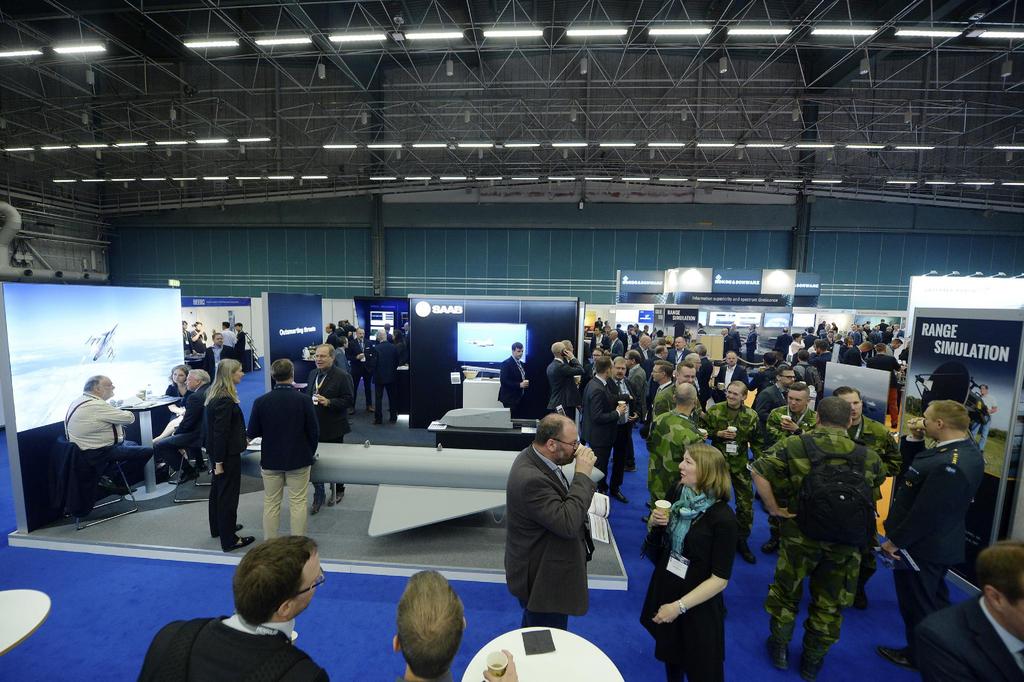
Event Scope: EW – ELECTRONIC WARFARE EUROPE 2020
June 22, 2020
Event Scope: MICRO NANO MEMS 2020
June 8, 2020
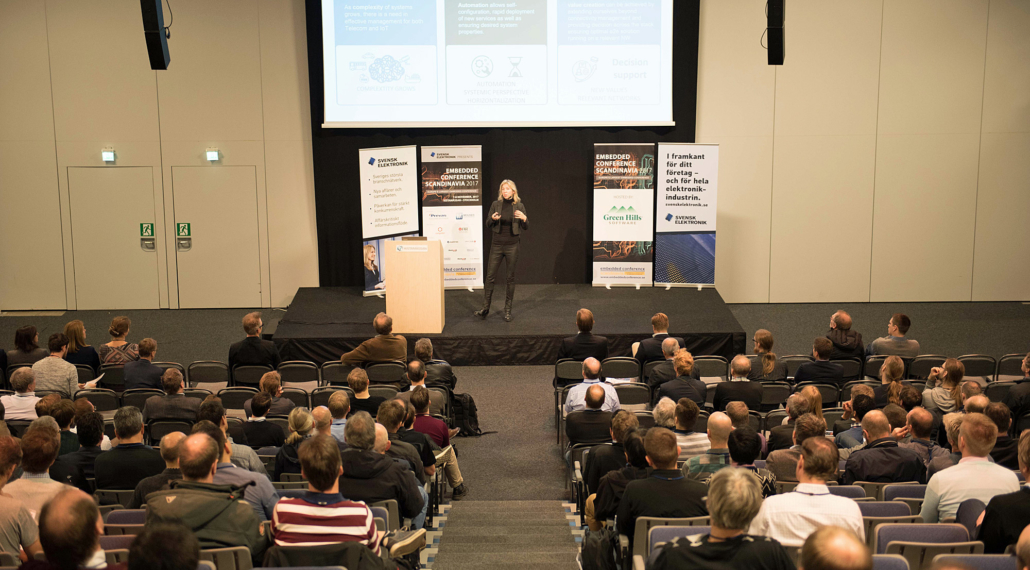
Event Scope: EMBEDDED CONFERENCE SCANDINAVIA 2020
May 29, 2020