
Embedded Systems & Product Development Consultancy · London, UK
Electronics and PCB design
Boards designed by the engineers who also write their firmware, so they are easier to bring up, test and certify. We work from schematic and component selection through to four- and six-layer layouts in KiCad or Altium, with EMC, manufacture and the code planned in from the start.
What usually causes a second board spin
A board that powers up on the bench is the start, not the finish. The expensive problems tend to appear later, at the EMC lab, on the production line or in a purchasing report.
- A first spin that fails radiated emissions, with no clear idea which part of the layout is to blame.
- A power path that can’t deliver the battery life the product was sold on.
- Key parts that go end-of-life or double in price halfway through the project.
- A layout the factory can’t assemble or test efficiently, found out at the first production run.
- A schematic drawn without the firmware team, leaving peripherals on the wrong pins and no proper debug access.
Most of these are decided on the schematic, weeks before anyone sees a symptom. That’s where we put the effort.
See how we workWhat we design
verything between the block diagram and the production files.
Schematics and component selection
Circuit design from the block diagram, with parts chosen for availability, lifecycle and cost as well as specification.
Multilayer PCB layout
From simple two-layer boards to six-layer designs in KiCad and Altium, with stack-up planning, controlled impedance and clean return paths.
Power and battery circuits
LiFePO4 and Li-Po charging and protection, USB-C Power Delivery, wireless charging and power trees sized for the real load profile.EMC by design
Grounding, filtering, stack-up and placement decided early, so the board goes into CE or FCC testing with as few surprises as possible.
Hazardous-area and safety hardware.
Intrinsically safe circuits to IEC 60079-11 (ATEX Ex ib) and hardware for IEC 61508 safety functions.Sensor and interface circuits
Analogue front-ends, 4–20 mA loops, RS-485, RS-232, CAN and Ethernet, capacitive sensing and flex PCBs.Design for manufacture and test
Test points, programming access, panelisation and production test fixtures planned into the layout, not added after it.










How we design hardware
Most of a product’s cost and most of its risk are fixed on the schematic. We treat that stage accordingly.
- Firmware in the room. The engineers who will write the code review pin assignments, buses, debug access and power states before the schematic is frozen.
- Review before layout. Every schematic is checked against datasheets, derating and the bill of materials, with second sources identified for parts at risk.
- Layout with the factory in mind. Stack-up, assembly and test access are agreed with your manufacturer, so the first build is already producible.
- Bring-up on our bench. First boards are powered up, measured and debugged in-house with oscilloscopes, logic analysers and a battery analyser, so firmware starts on hardware that has already been proven.
- A complete handover. Native schematic and layout files, Gerbers, a BOM with alternates, assembly drawings and design notes. All of it is yours.
Tools and parts
Design tools: KiCad, Altium Designer, Eagle
Processors: STM32, NXP i.MX and i.MX RT, Nordic nRF52, ESP32, Silicon Labs EFR32, Microchip PIC and SAM
Radios and power: BLE, Wi-Fi, Thread, NB-IoT and sub-GHz radios, nRF21540 front-end, USB-C PD, LiFePO4 and Li-Po battery management, wireless charging
Lab and test: oscilloscopes, logic analysers, battery analyser, Segger J-Link, Python-driven test jigs
Hardware in shipped products
Client names stay private. The engineering doesn’t.

A low-power wearable medical device, from concept to pre-production
nRF52840 hardware and Zephyr firmware with BLE telemetry, secure provisioning and OTA updates, taken through bring-up, power optimisation and production preparation.
Read the case study
Safety-critical firmware for a device built at over a million units
Micrium OS on Silicon Labs EFR32, detection algorithms in C and IEC 61508 unit testing with LDRA
Read the case studyMore firmware work
An NB-IoT field sensor with a secure element, an ATM security device with more than 40,000 units in 24/7 service, a long-range Bluetooth mesh beacon and more.
View case studiesFrequently asked hardware questions
Can you review our schematic before we commit to layout?
Yes, and it’s one of the cheapest ways to avoid a second board spin. We check it against datasheets, power and thermal limits, EMC risk, manufacturability and what the firmware will need, then send back written findings in order of risk.
Can you work with our own layout engineer or manufacturer?
Yes. We can take on the full design or just the schematic, the layout or a review, and we work directly with your contract manufacturer on stack-up, assembly and test.
Which design tools do you use?
KiCad and Altium Designer for new designs, and Eagle when we take over older projects. You receive the native source files, not just Gerbers and PDFs.
Will our product pass EMC testing?
Nobody can guarantee a pass before the test, but most failures trace back to decisions made on the schematic and stack-up. We design for EMC from the start and support you through CE or FCC testing.
Can you redesign an existing board?
Yes. We redesign boards to reduce cost, replace obsolete parts, add features or meet new certification, such as reworking an industrial monitor to ATEX intrinsic safety requirements.
Do you design the enclosure as well?
Yes. Mechanical design is part of our product development work, so the board outline, connectors and mounting are designed together with the housing. See Product development
Related services: Embedded software & firmware · Hardware/software integration · Architecture & technical advisory · Production readiness
Related expertise: Low-power design · Wireless & IoT · Functional safety & ATEX · Industrial interfaces · Sensors & embedded algorithms
Have a board to design, review or redesign?
Send us a block diagram, a schematic or a few lines about the product.
Share your project with us, and we’ll get back to you within one business day.
Latest from the blog
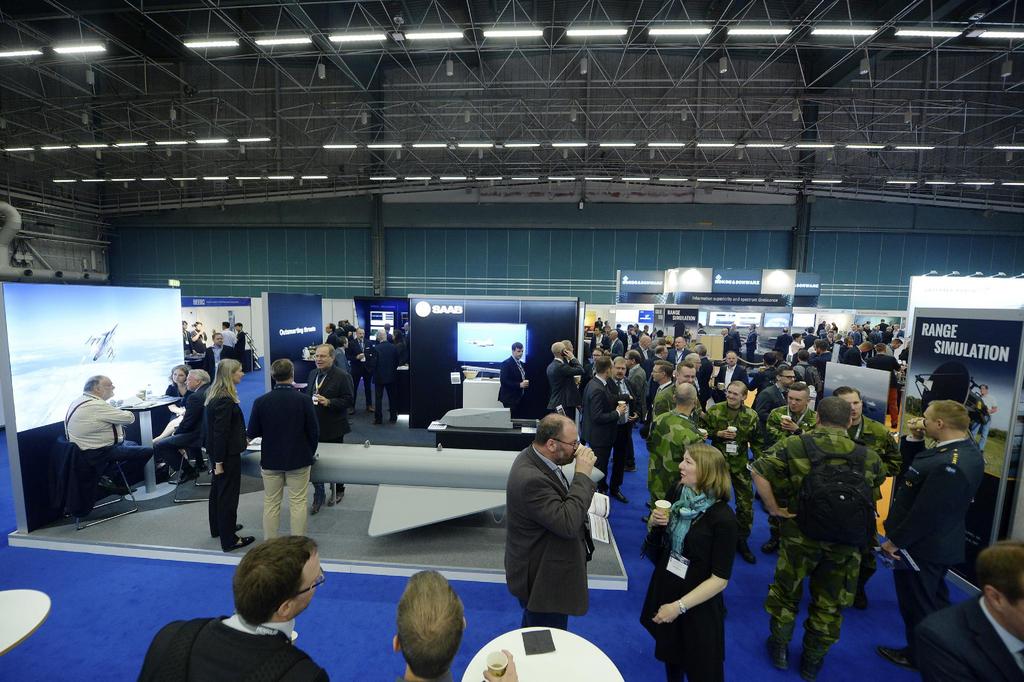
Event Scope: EW – ELECTRONIC WARFARE EUROPE 2020
June 22, 2020
Event Scope: MICRO NANO MEMS 2020
June 8, 2020
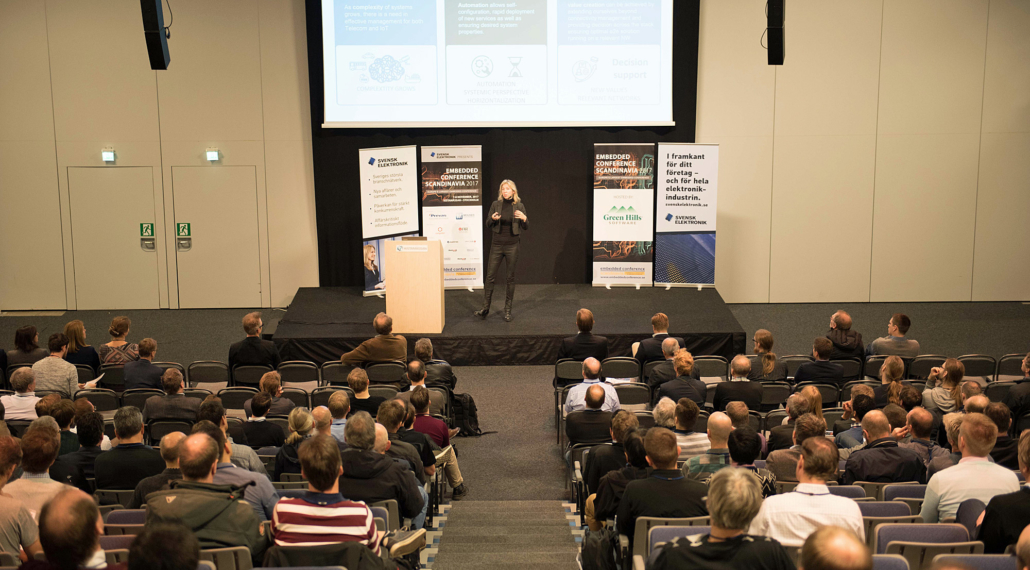
Event Scope: EMBEDDED CONFERENCE SCANDINAVIA 2020
May 29, 2020